Black Hole Sun

Black Hole Sun

This week, my son Zack has been shadowing me at work. This is an official internship that all 9th graders in France do. He talked to some other researchers in my department (the Laboratoire d’Astrophysique de Bordeaux) and visited the labs where they build cool stuff (like electronics for radiotelescopes and pieces used in space…


Second chance planets: Iceball worlds that thaw out when their stars go red giant

Second chance planets: Iceball worlds that thaw out when their stars go red giant

A while back I wrote a series of posts called How planets die. It was about all the ways planets can be sterilized or destroyed.  I even made a “planetary death scale”.  Gruesome stuff. Let’s liven things up with a new mini-series on Second-Chance Planets. These are planets that get a second chance at life. …

Exo-moons: Innocent bystanders during gas giant instabilities

Exo-moons: Innocent bystanders during gas giant instabilities

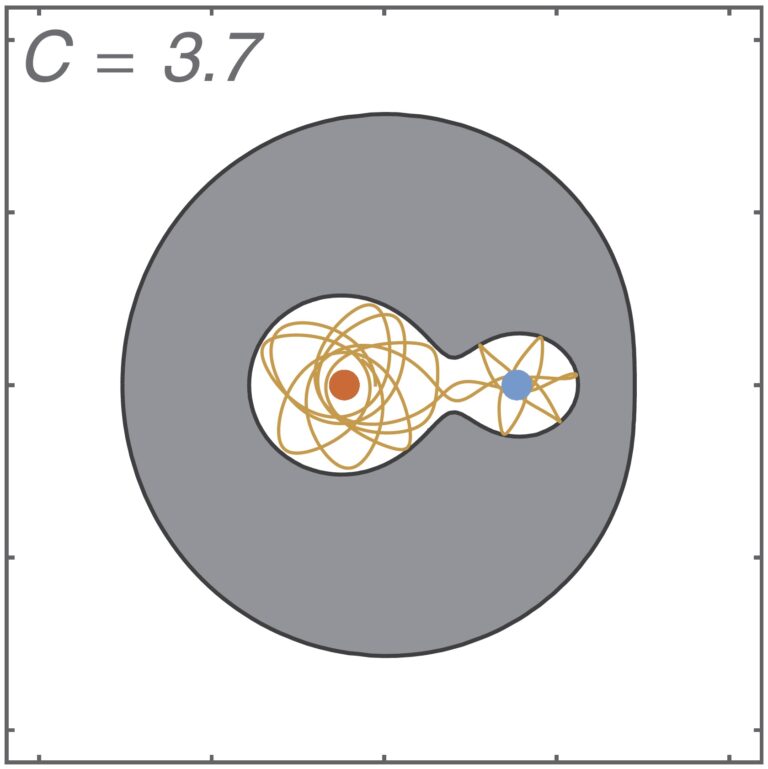
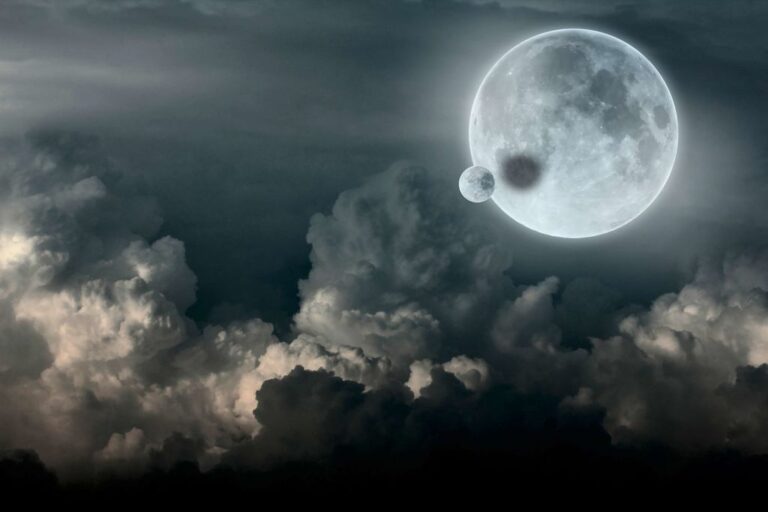
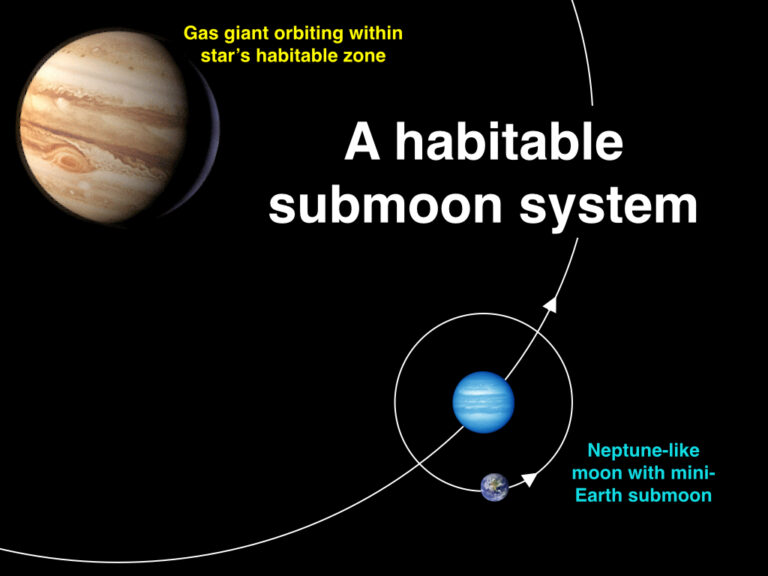
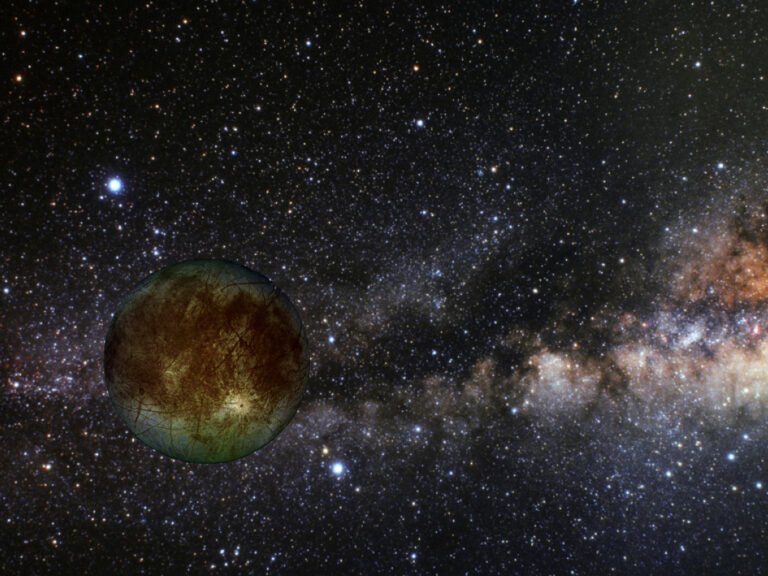
Gas giants are the bullies of planetary systems.  They are hundreds of times more massive than small rocky or icy worlds, so when gas giants throw a tantrum, their whole planetary system feels it. Giant planet moons are among the innocent bystanders swept up in the chaos. Giant planets around other stars have different orbits…

Ode to 7 orbs

Ode to 7 orbs

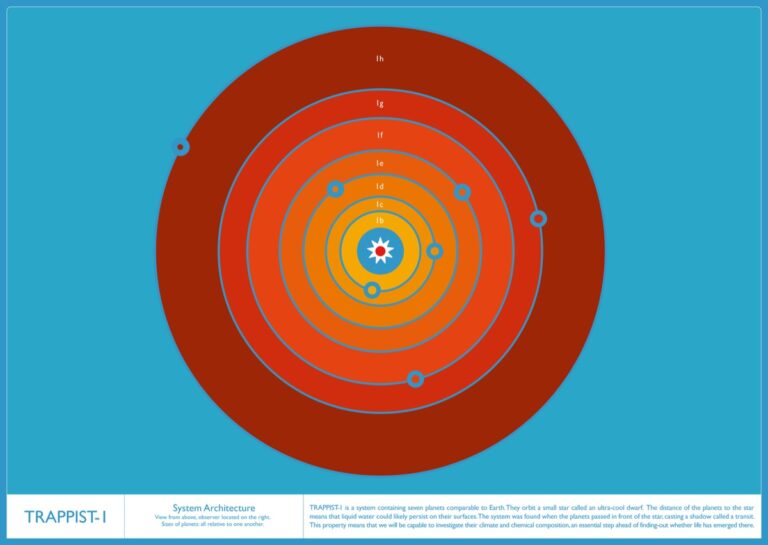
Wake up now people, I’ve got some big news! You won’t want to miss this. You don’t want to snooze. We just found some planets while we were stargazing Gather ’round, listen up. These ones are amazing! And it’s not just one new planet. There are seven! All orbiting one star up there in the…
No livable planets without life

No livable planets without life

Life is caught in a chicken-and-egg situation. For life to exist on a planet, the planet must of course have the right conditions for life. The planet must be habitable. But a planet’s habitability depends in large part on whether it already has life. It’s a lot easier for a planet with life to be habitable. So a planet needs life to be able to host life….

The colors of other worlds

The colors of other worlds

Carl Sagan famously called Earth the “pale blue dot”. Viewed from a large distance, that is what our complex, vibrant, living planet looks like. In the search for life around other stars, we should be looking for other pale blue dots, right? Maybe not. There is some reason to think that not all habitable planets…

Real-life sci-fi world #6: Pandora (from the movie Avatar), the habitable moon of a gas giant planet

Real-life sci-fi world #6: Pandora (from the movie Avatar), the habitable moon of a gas giant planet

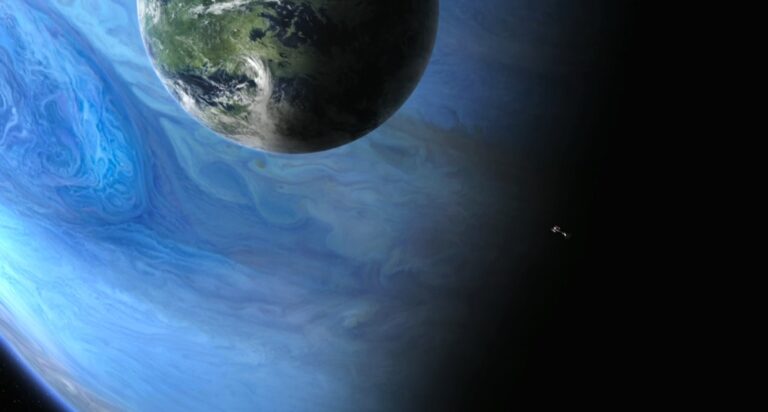
Welcome to Real-life Sci-fi worlds.  I use science to explore life-bearing worlds that are the settings for science fiction stories.  Up today: can the moon of a gas giant planet — like Pandora from the movie Avatar — really be habitable? Pandora is one of the coolest-ever settings for a science fiction story.  The life-bearing…

Real-life sci-fi world #4: Earth around a brown dwarf

Real-life sci-fi world #4: Earth around a brown dwarf

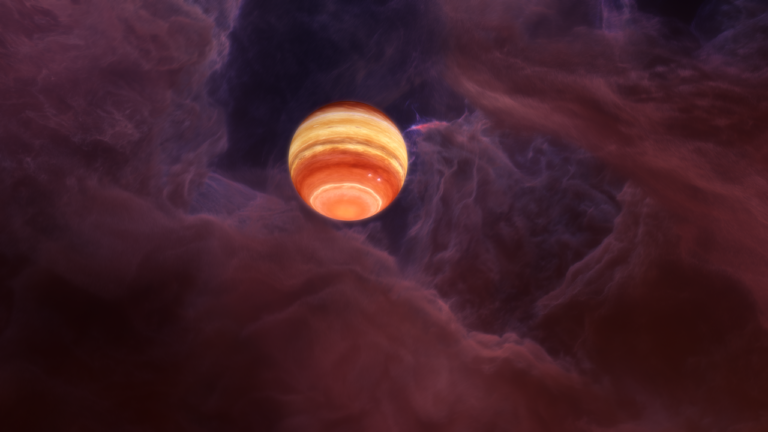
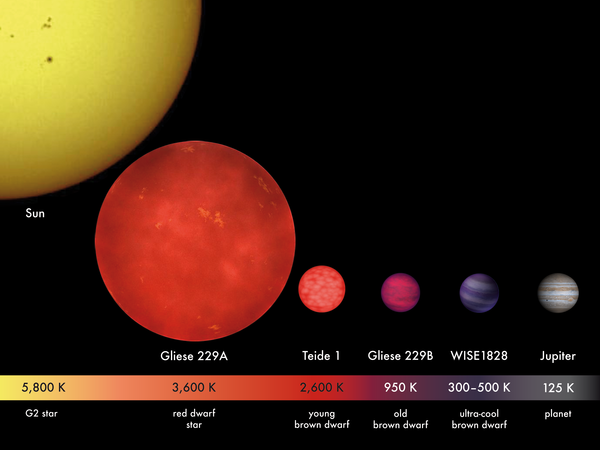
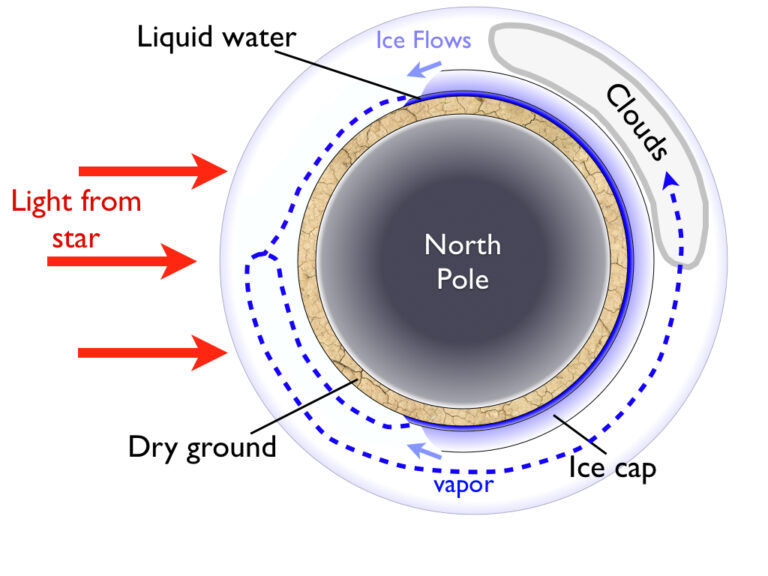
Welcome to Real-life Sci-fi worlds.  We are using science to explore life-bearing worlds that are the settings for science fiction stories.  Up today: an Earth-like planet orbiting a brown dwarf. Setting Planets have been found orbiting all kinds of stars.  Stars like the Sun.  Stars brighter and fainter than the Sun.  Giant stars.  Planets have…

Real-life sci-fi worlds #3: the oscillating Earth

Real-life sci-fi worlds #3: the oscillating Earth

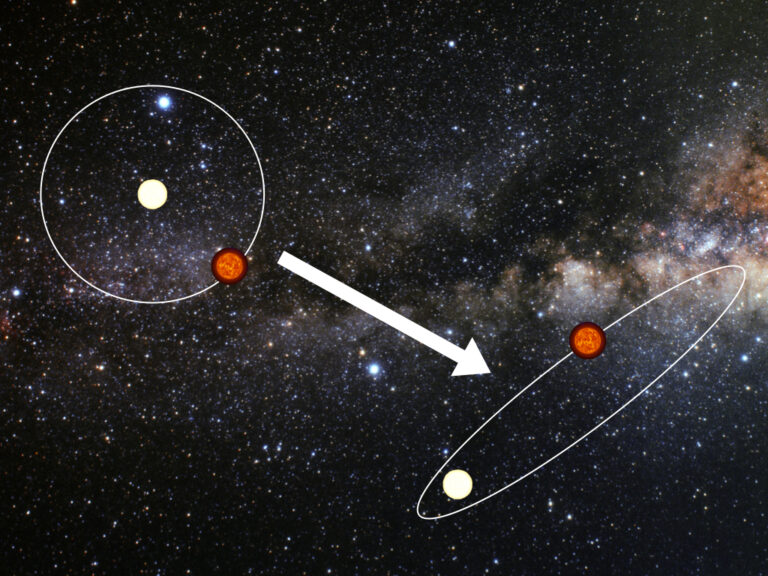
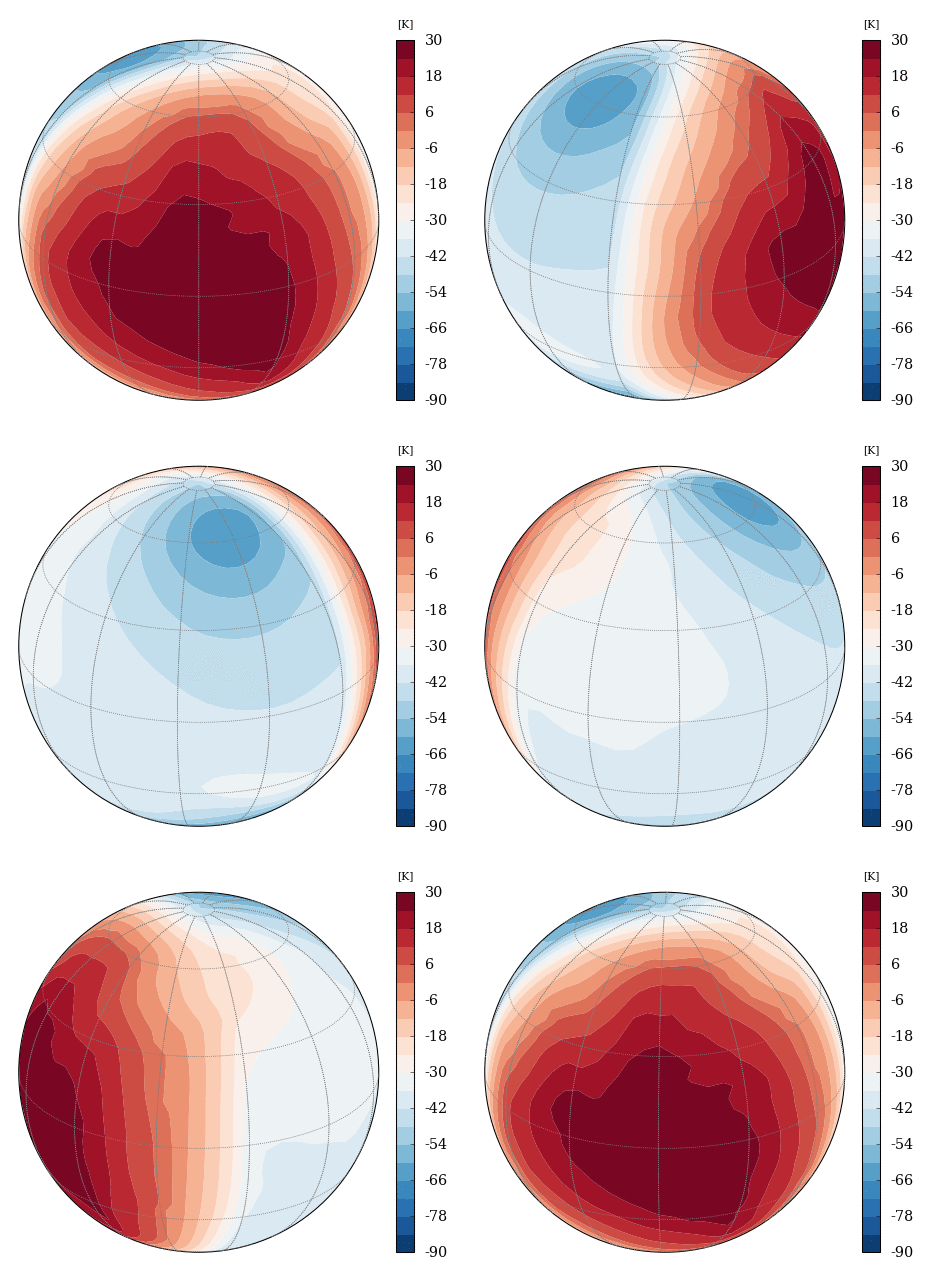
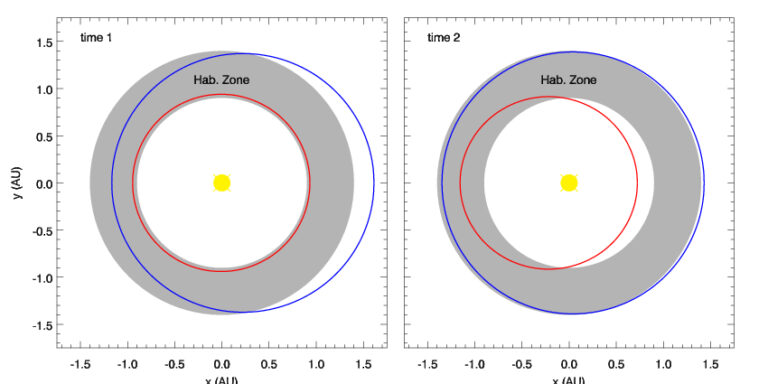
Welcome to Real-life Sci-fi worlds.  We are using science to explore life-bearing worlds that are the settings for science fiction stories.  Up today: the oscillating Earth. Setting Earth’s orbit is not fixed.  Gravitational kicks from the other planets change the shape of Earth’s orbit.  Earth’s orbit oscillates between being perfectly circular (having an “eccentricity” of…

Giraffes and planets

Giraffes and planets

Giraffes are covered in patches.  The patches are brown and the space in between the patches is white.  Everyone knows this. Here is something you probably didn’t know: you can see those patches in infrared light.  In simple terms, infrared light measures heat (at least at the temperatures we are used to in everyday life). …

Building the ultimate Solar System part 4: two ninja moves — moons and co-orbital planets

Building the ultimate Solar System part 4: two ninja moves — moons and co-orbital planets

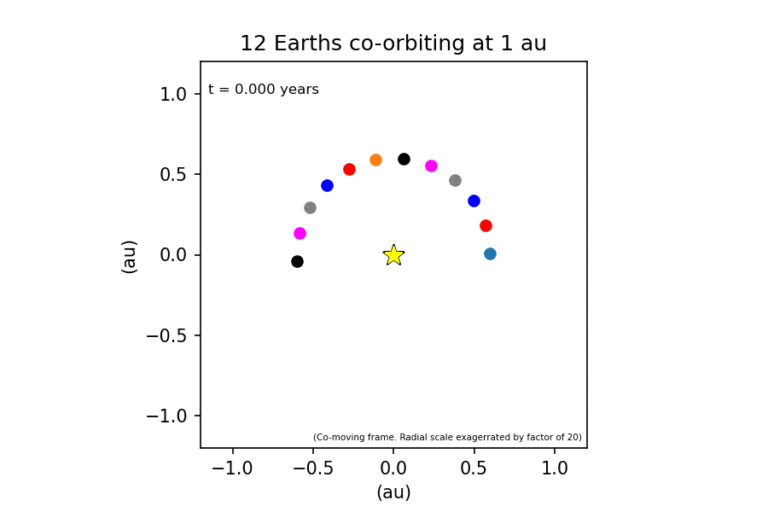
We are building the ultimate Solar System.    In Part 1 we chose the right star.  In Part 2 we chose the right planets. In Part 3 we chose the right orbits for the planets. Today’s job: Discovering two ninja moves that will allow us to pack way more worlds in the habitable zone. The…

Building the ultimate Solar System part 3: choosing the planets’ orbits

Building the ultimate Solar System part 3: choosing the planets’ orbits

We are building the ultimate Solar System.    In Part 1 we chose the right star.  In Part 2 we chose the right planets. Today’s job: choosing the right orbits for the planets. Let’s get started.  Our goal is simple.  We want to pack as many planets into our star’s habitable zone as possible.  We…

Building the ultimate Solar System part 2: choosing the right planets

Building the ultimate Solar System part 2: choosing the right planets

We are building the ultimate Solar System.    In Part 1 we chose the right star. Today’s job: choosing the right planets to put in our ultimate Solar System.  Let’s stick to two defining characteristics: a planet’s size (or mass) and its composition. We want Goldilocks-ish planets.  They shouldn’t be too small, too big, too…

Building the ultimate Solar System part 1: choosing the right star

Building the ultimate Solar System part 1: choosing the right star

We are building the ultimate Solar System.  Here is an introduction to the game.    What kind of star will anchor our ultimate Solar System? It comes down to two choices: stars like the Sun or cooler, redder stars sometimes called “cool stars” or “red dwarfs”. Why not stars bigger than the Sun?  Because they…

Three more planetary stooges

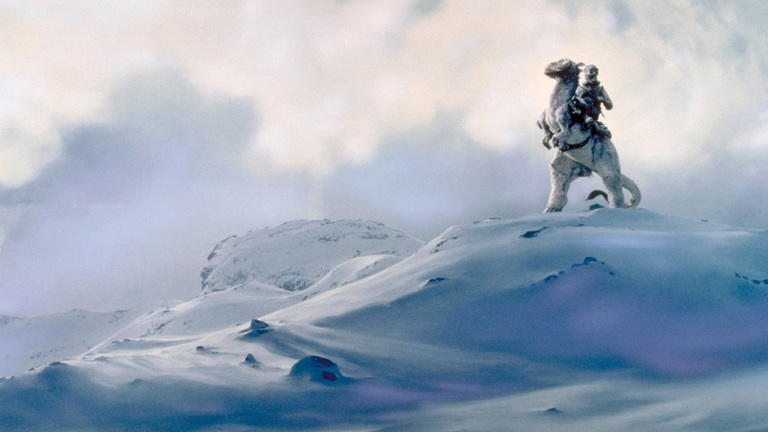
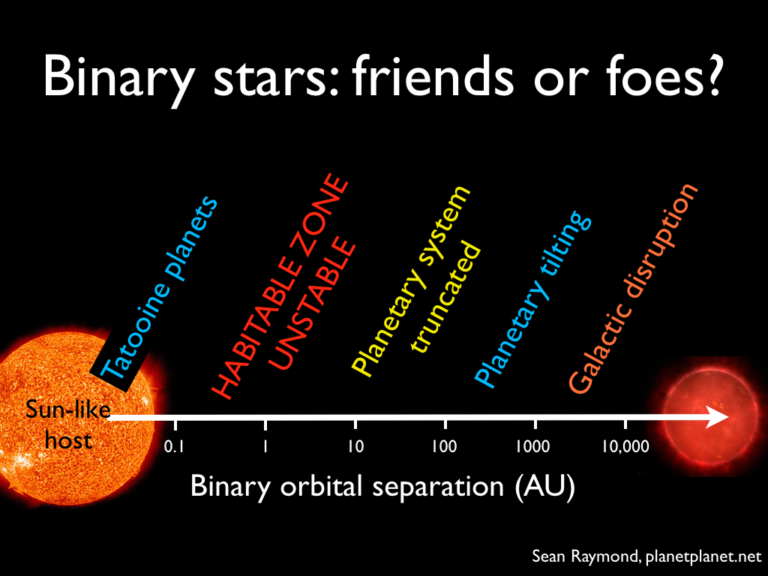
We’ve discussed some classes of planet that are pretty strange: hot super-Earths, hot Jupiters and eccentric gas giants.  But that was just the warm-up.  In this post we’ll check out three more extra-weird ones. First up: Tatoine planets.  In case you are less nerdy than you should be, Tatooine is where Luke came from in…

The habitable zone, part 1

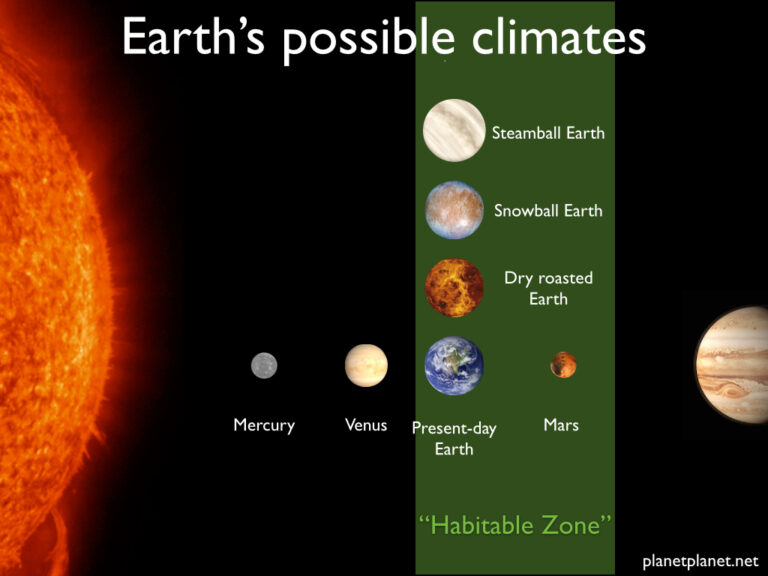
[This post is co-written by Franck Selsis] Where should we look for extra-solar life?  In a star’s habitable zone of course!  Any planet in that magical Goldilocks zone must host life, right? Well, not exactly.  The habitable zone should really be called the liquid water zone.  A planet with the right characteristics that orbits its…

The Grand Tack

The Grand Tack

One of the most exciting recent things that I’ve worked on recently — with colleagues in France and the US — is a new model for how the Solar System formed that we call the Grand Tack. “Why do we need a new model for how the Solar System formed?”, you might ask. “What was…

Build a better Solar System

Build a better Solar System

[UPDATE: a new series on building the ultimate Solar System starts here] The Solar System is a disappointment.  It does contain an inhabited planet with forests and oceans and frisbees and beer (Earth). But it only has one.  There are a couple worlds with some potential, but they are pretty disappointing too.  Jupiter’s moons Europa…