Eccentric rings of co-orbital planets
A group of planets can share the same, stretched-out orbit around a star. And it’s pretty extreme.

A group of planets can share the same, stretched-out orbit around a star. And it’s pretty extreme.

The landscape of exoplanet systems is a wasteland: from an orbital point of view, the majority of systems look like the beat-up survivors of giant dynamical battles. The reason for this is simply that their original configurations were not “Lindy” — that is, not built to last indefinitely.

If it exists, Planet Nine should be found in the next few years by the Vera Rubin telescope. The problem is: no one know how a planet could have got there — until now.

While we humans get massive health benefits from social interactions, the same cannot be said for planetary systems. Passing stars are like darts being thrown at the Solar System.
Life on Earth has about a billion years left. There’s a 1% chance of a star zooming within 100 astronomical units of the Sun in that time. Could a flyby rescue life on our planet?

This is a re-post of an article written by Jason Wright, Steve Desch and myself, and published on medium on July 18th. It’s a more nicely laid out, somewhat more clearheaded, and less snarky version of my blog post ‘Oumuamua: was it aliens? (spoiler: no).You can find the original version here. Discovery of the first…
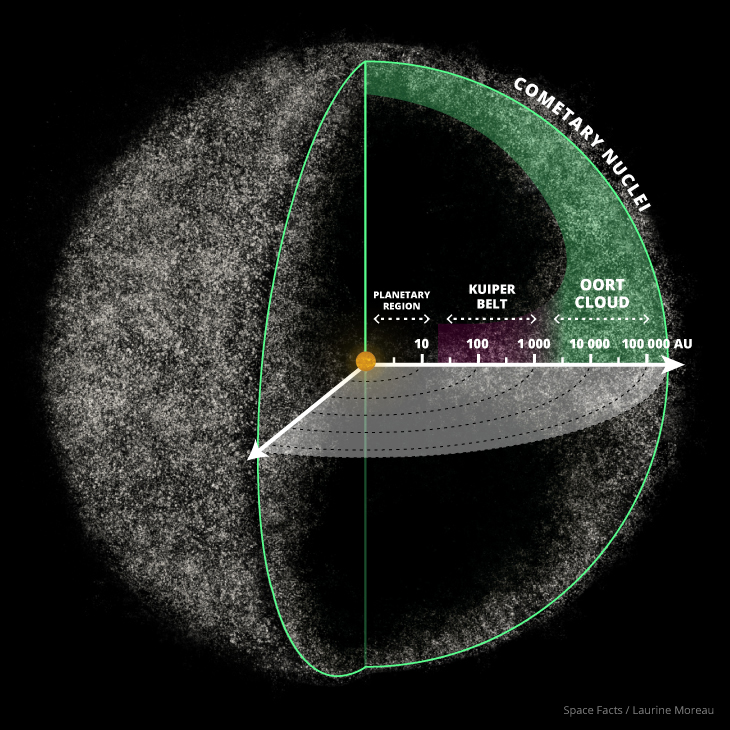
Could a protoplanet, or even a full-sized planet, be lurking in the icy darkness of the Oort cloud?
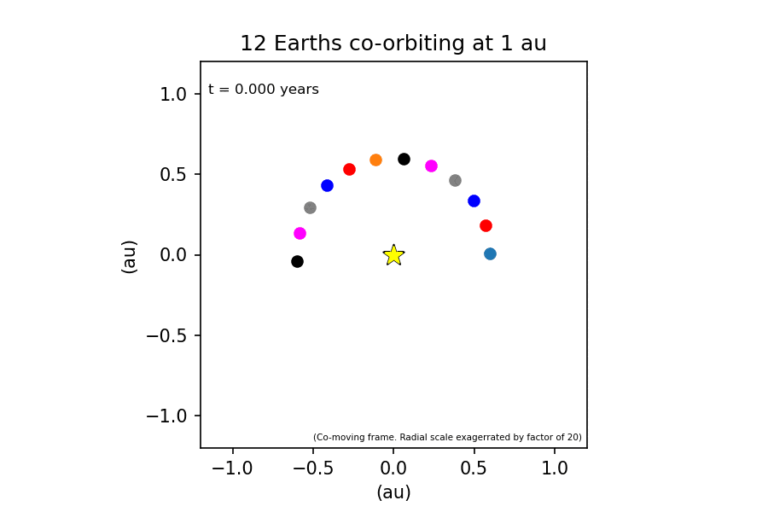
It’s time to revisit one of my favorite topics: co-orbital planetary systems, in which more than one planet share the same orbit around a star. (Side note: co-orbital systems can exist on different size scales — many stars can share an orbit around a black hole, or many moons share an orbit around a planet,…

Earth will lose its oceans. Chaos may destabilize the rocky planets. The Sun will go red giant and swallow the inner planets. The outer planets’ orbits will widen as the Sun becomes a white dwarf. Passing stars will destabilize the planets’ orbits and, in about 100 billion years, finally strip away the last planet.

The list of factors needed for life to originate on Earth remains uncertain, although water was essential. Earth’s water was likely delivered by planetesimals scattered inward by Jupiter. Yet, ironically, Earth would probably be much wetter with no Jupiter.
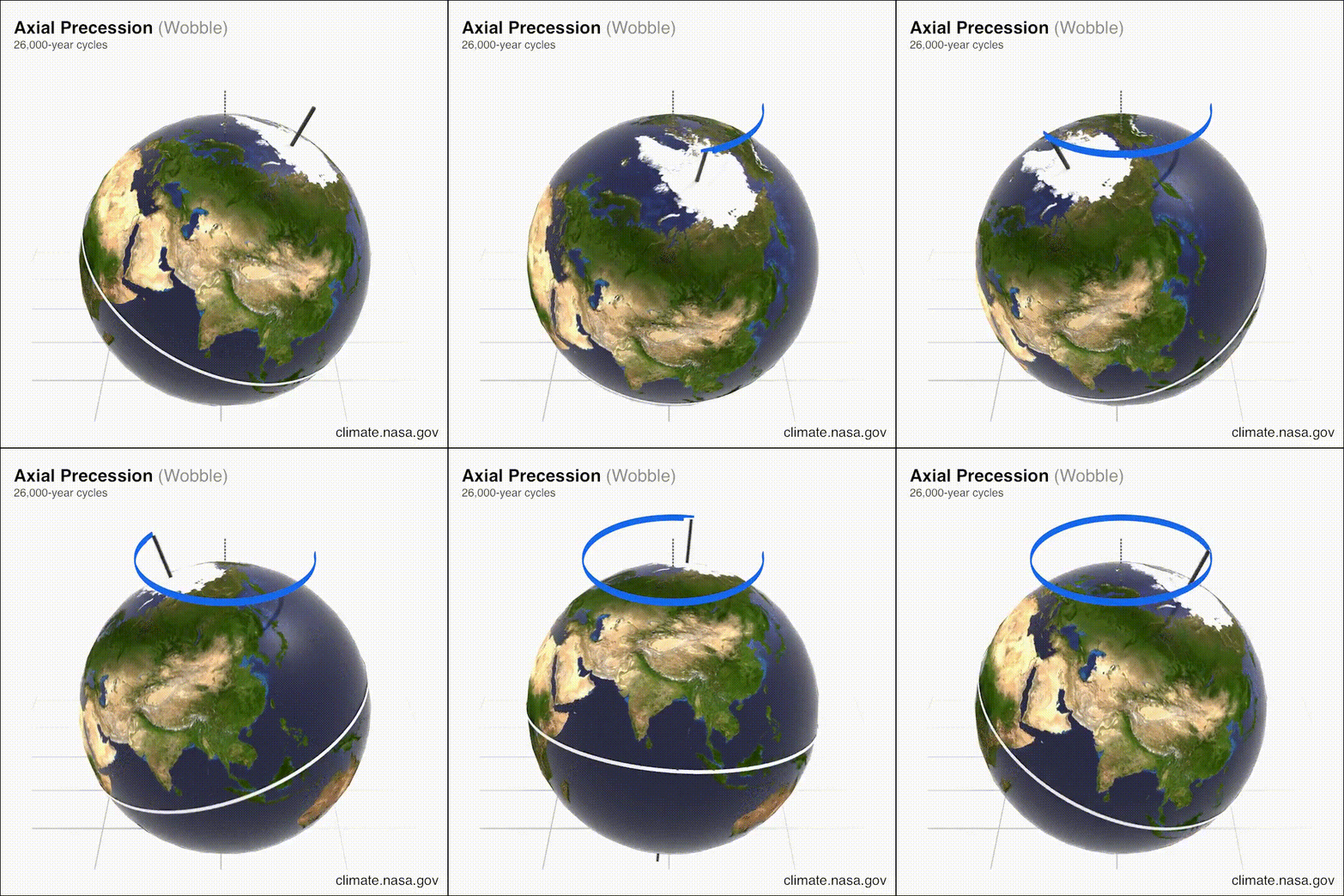
TL;DR: The planets’ orbital shapes, tilts and spins oscillate due to the gravity of the other planets — this has a strong effect on Earth’s climate. On billion-year timescales the terrestrial planets’ orbits are chaotic and cannot be predicted precisely.

Asteroids and comets are the leftovers from the planets’ formation. They’re like the potato peels that end up on the floor instead of in the mashed potatoes. So, what have those leftovers been up to the past few billion years?

TL;DR: The Moon is thought to have formed in Earth’s last giant impact with a planetary embryo about 100 million years after the start of planet formation. Highly-siderophile elements indicate that ~0.5% of Earth’s mass was accreted after that point.

TL;DR: The giant planets underwent a dynamical instability that shook up the entire Solar System and likely ejected an extra ice giant. The instability happened early, perhaps triggered by the dispersal of the gaseous planet-forming disk.

This is chapter 6 in the Solar System’s story. This is an action-packed, epic chapter in which a lot of pieces of the puzzle are put together in different ways. (It’s my favorite part.)

TL;DR: Most giant planets form in a bottom-up way, by first growing large cores and then piling gas on top. They migrate throughout their formation. Jupiter may have protected Earth from migrating ice giants.

TL;DR: Earth- to Neptune-mass planets migrate through the disk — usually inward, and fast. Giant planets carve gaps in the disk (“anti-donuts”) and migrate slowly, usually inward. Things can get crazy when lots of planets migrate together.
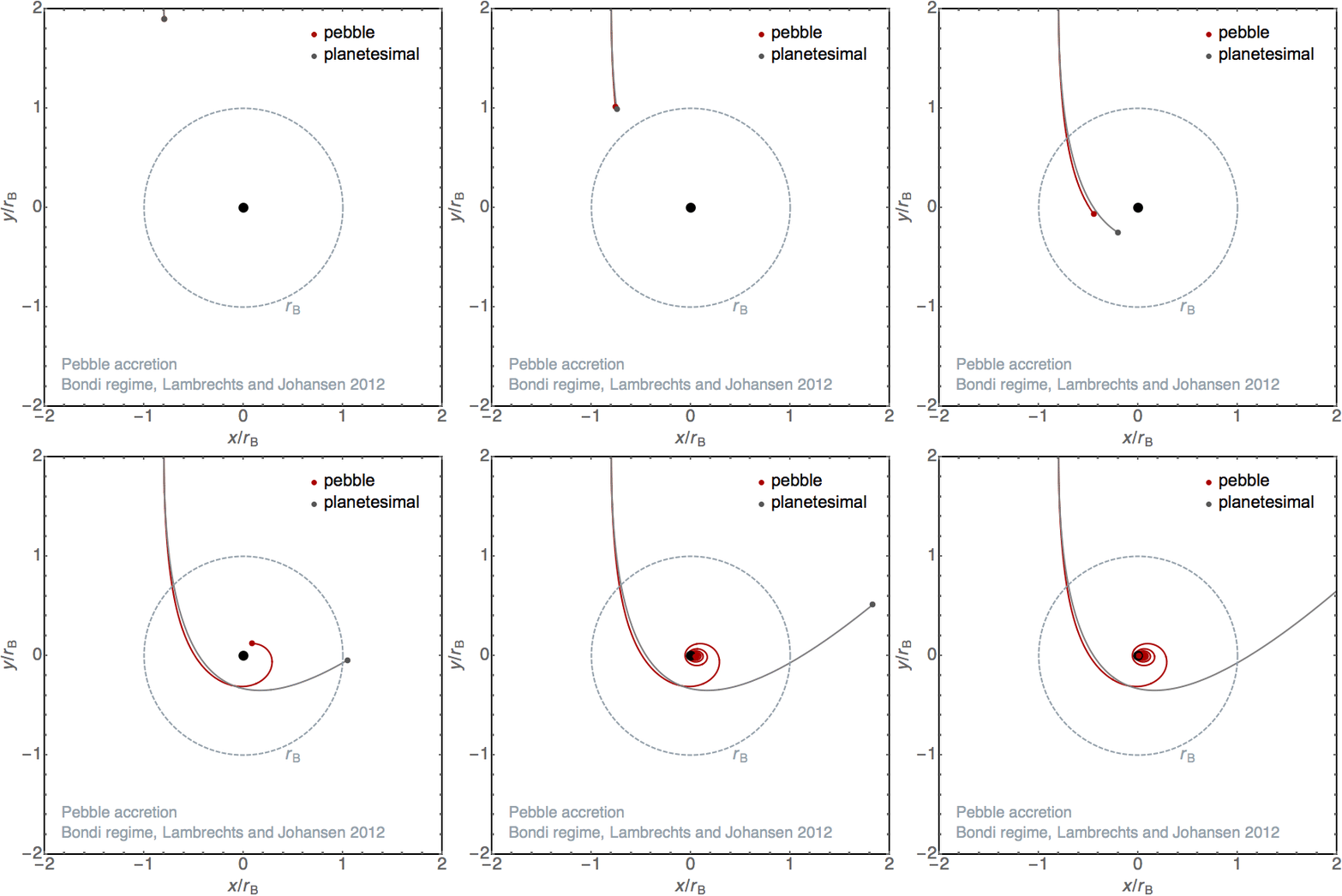
This is chapter 3 in the Solar System’s story. We’re chugging along, growing bigger and bigger things… Planetesimal accretion After mountain-sized (~100 km-scale) planetesimals form from concentrations of drifting pebbles, they continue to grow in two ways. The simplest growth route for planetesimals is simply to crash into other planetesimals; this is called planetesimal accretion….

TL;DR: planetesimals are mountain-sized rocks (sometimes with ice) that grow from clumps of drifting dust (“pebbles”). The two types of meteorites come from planetesimals that formed in different parts of the Solar System and remained separate.
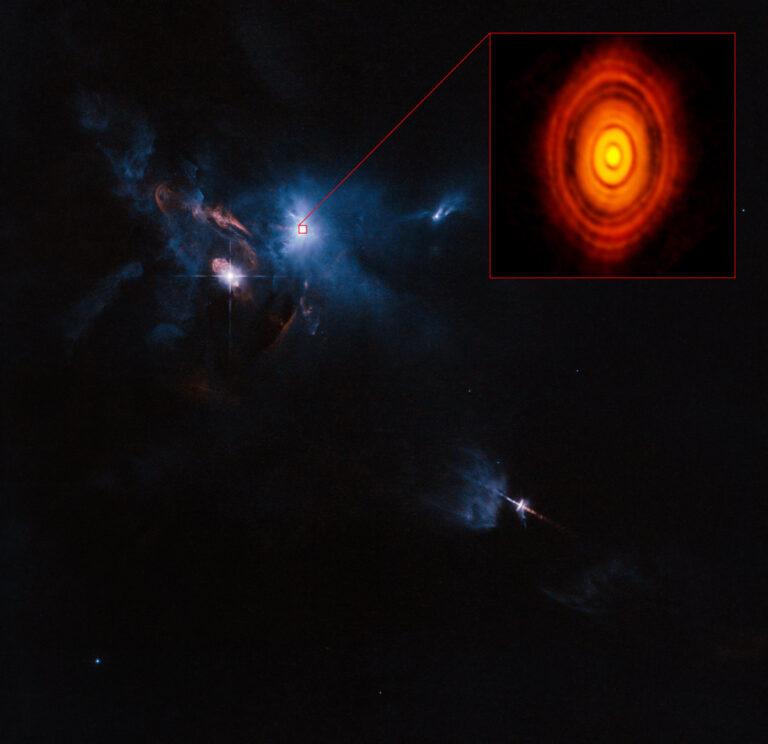
The TL;DR version of this post: the Sun formed in a cluster of about 1000 stars. The Sun’s gas-dominated disk disappeared in a few million years, about the same timescale as the cluster’s dispersal.

This blog series will discuss what we know (and don’t know) about the formation and evolution of our Solar System.
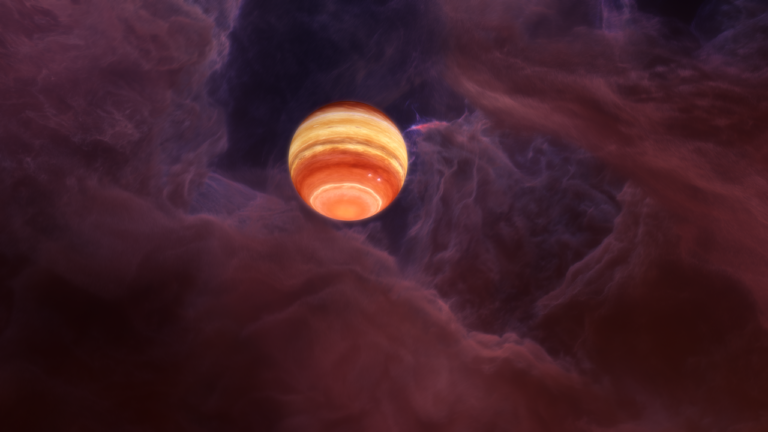
Here’s something brand new – we made a big splash!
A pile of free-floaters just dropped with a crash!
A hundred new rogue planets! Yup, we just found ‘em
They orbit among stars instead of around ‘em.
If too many rocks hit a planet by chance
It breaks up the system’s whole resonant dance!

The time capsule must serve as a beacon. Any other civilization that detects it should immediately suspect that it is of artificial origin. And it needs to survive for countless billions of years.

Just one stretched-out orbit takes up lots of space
Can’t add any planets, there just isn’t space
Now, circles are best. And trust me, I’ve tried
Eight or ten orbits fit nicely inside.
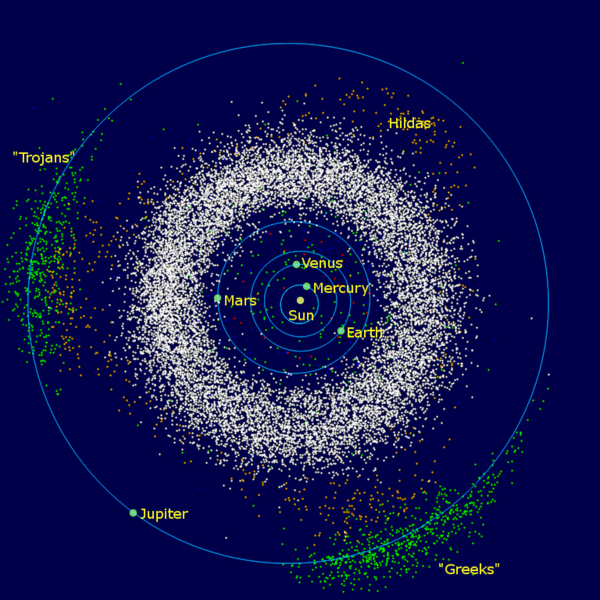
Where are those Trojans? Just where are they hiding?
Are they at the store, or maybe hang-gliding?
We think they exist — just what have we missed?
Well, every good story should end with a twist…

Some people like to call Jupiter and Saturn the “architects” of the Solar system, as though they had a clear plan for how our system should turn out. Not us. We think of the gas giants as bullies that pushed Earth around and made a lot of decisions for us.

This post is an adventure in world-building. I use N-body simulations to find orbital configurations of planetary systems that (I think) are completely new, pretty awesome and unexpected. It involves cohorts of co-orbital planets…

Ceres is Queen of the belt. She’s the best-a.
Her husband is Pallas. Court jester is Vesta.
She makes up a third of the belt on her own
She’s cratered and icy and sits on her throne.

To start things off, a limerick: My dear old friend ‘Oumuamua I asked her — What’s up? What is new-ah? “I’ve been thinking of That guy Borisov The interstellar number Two-ah!” Figuring out what’s up with a new population of astronomical objects is like going to a party without knowing the dress code. Here’s what’s…

Imagine this. You’re drinking your morning coffee. A small blob zooms at top speed through the kitchen, into the hall and out an open window. You only catch a quick fuzzy glimpse before it’s gone. What was that thing? What’s your first guess? A neighborhood cat? A squirrel? Maybe something more exotic like a raccoon…

A space mission to intercept an Oort cloud comet — or, if we’re lucky, an interstellar object like ‘Oumuamua.

Where would we be without the occasional asteroid crashing into the Earth?

Just like people, stars age. Their planets go along for the ride and are often killed or maimed in the process….
If trees could scream, would we be so cavalier about cutting them down? We might, if they screamed all the time, for no good reason. — Deep Thoughts by Jack Handey This series is about how planets die — it is introduced here. Earth is a cosmic freaking paradise. Just look at our neighboring planets:…

If you ever drop your keys into a river of molten lava, just let them go because, man, they’re gone. — Deep thoughts by Jack Handey This series is about how planets die — it is introduced here. What do you think of when you hear the word tides? Ocean waves? The Moon? Maybe sitting…
Gas giants have murdered rocky planets (or their building blocks) around ~5 billion stars in our galaxy! (Usually by dropping them onto their Suns!).

Just like people, planets are born and they die. We know how people die. But google “how planets die” and you’ll get the wrong answer.
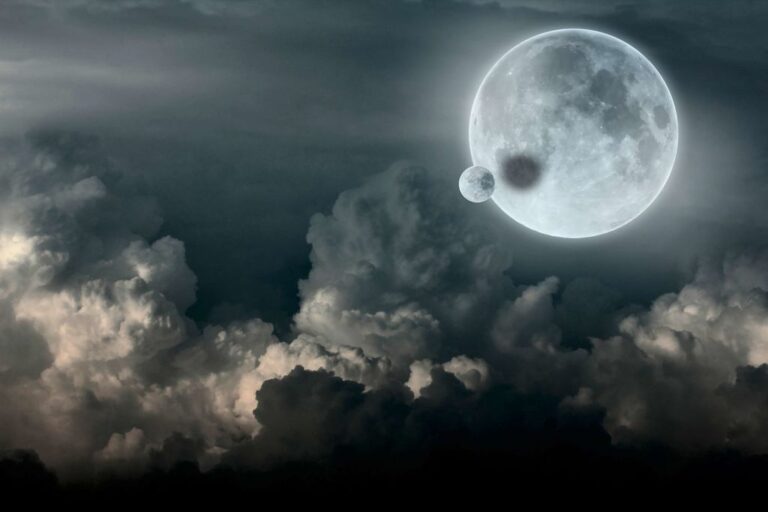
Can moons orbit moons? wondered Juna and I.
Some planets have moons, you know, up in the sky
But none of those moons has its own moon around it.
When Juna’s son learned this he just was astounded!
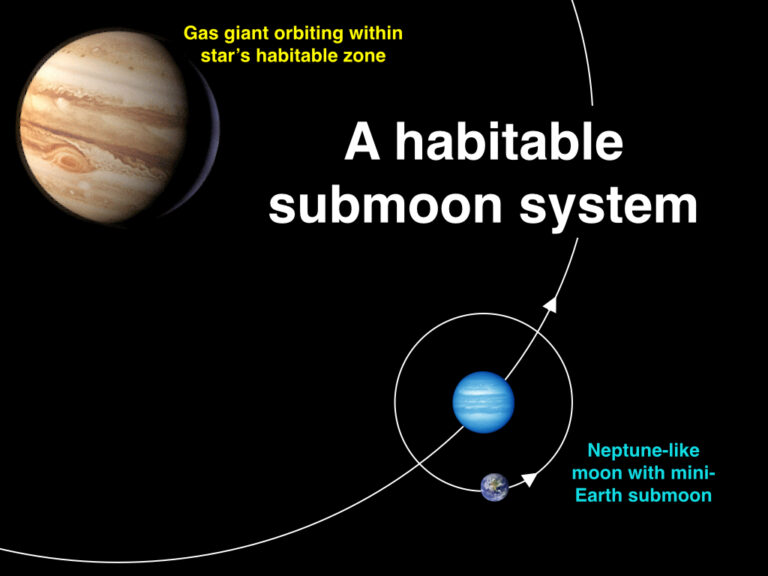
Planets orbit stars. Moons orbit planets. But no moons have their own moons (let’s call them submoons). Why is that?

One fine week in May, well, I needed some peace
I packed up my bags and I headed to Nice…

Mars is a weirdo. (Well, as far as planets go). Why is it so small (just 11% as massive as Earth)?

I once ordered a beer then straight away spilled it all over the bar. There was just a tiny sip left in the glass. Frowny face.
Remember ‘Oumuamua, the weird-shaped rock flying through the Solar System? Just like my sip of beer, it might only be a small piece of what it once was.

Gas giants are the bullies of planetary systems. They are hundreds of times more massive than small rocky or icy worlds, so when gas giants throw a tantrum, their whole planetary system feels it. Giant planet moons are among the innocent bystanders swept up in the chaos. Giant planets around other stars have different orbits…

In Rendezvous with Rama (by Arthur C. Clarke), a mysterious object is discovered passing through the Solar System. The object has a strange shape — it’s a giant cylinder. It was discovered by the Spaceguard survey, designed to find objects that might impact Earth (so-called near-Earth objects). Spoiler alert: the cylinder is a spaceship sent…

The asteroids may be cosmic refugees, ejected from their homes to wander the Solar System, eventually settling in the asteroid belt.

Imagine a dry Earth. No waterfalls. No oceans. No beer (or people to drink it). A sad place. Water is pretty important stuff. In this post we will go deep into how Earth got its water (much deeper than in this post from a while back). And since it’s connected with how Earth formed, our…

Systems of super-Earths may form as long resonant chains, most of which go unstable.
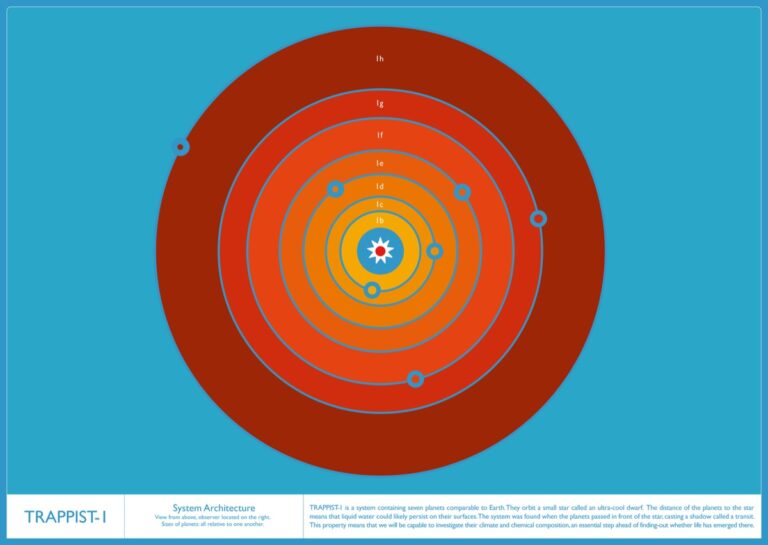
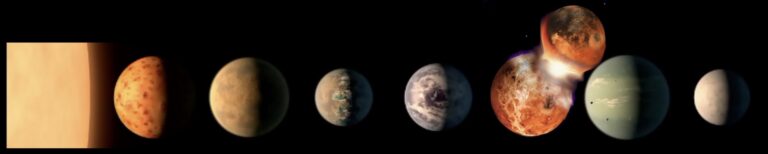
Wake up now people, I’ve got some big news! You won’t want to miss this. You don’t want to snooze. We just found some planets while we were stargazing Gather ’round, listen up. These ones are amazing! And it’s not just one new planet. There are seven! All orbiting one star up there in the…

At a Solar System party, in a room full of planets, the asteroid belt is full of angst. And it should be. It’s out of place. It’s wearing a clown outfit but it’s not a costume party. What makes the asteroid belt so different? Well, for one, it’s not just one object like each individual…
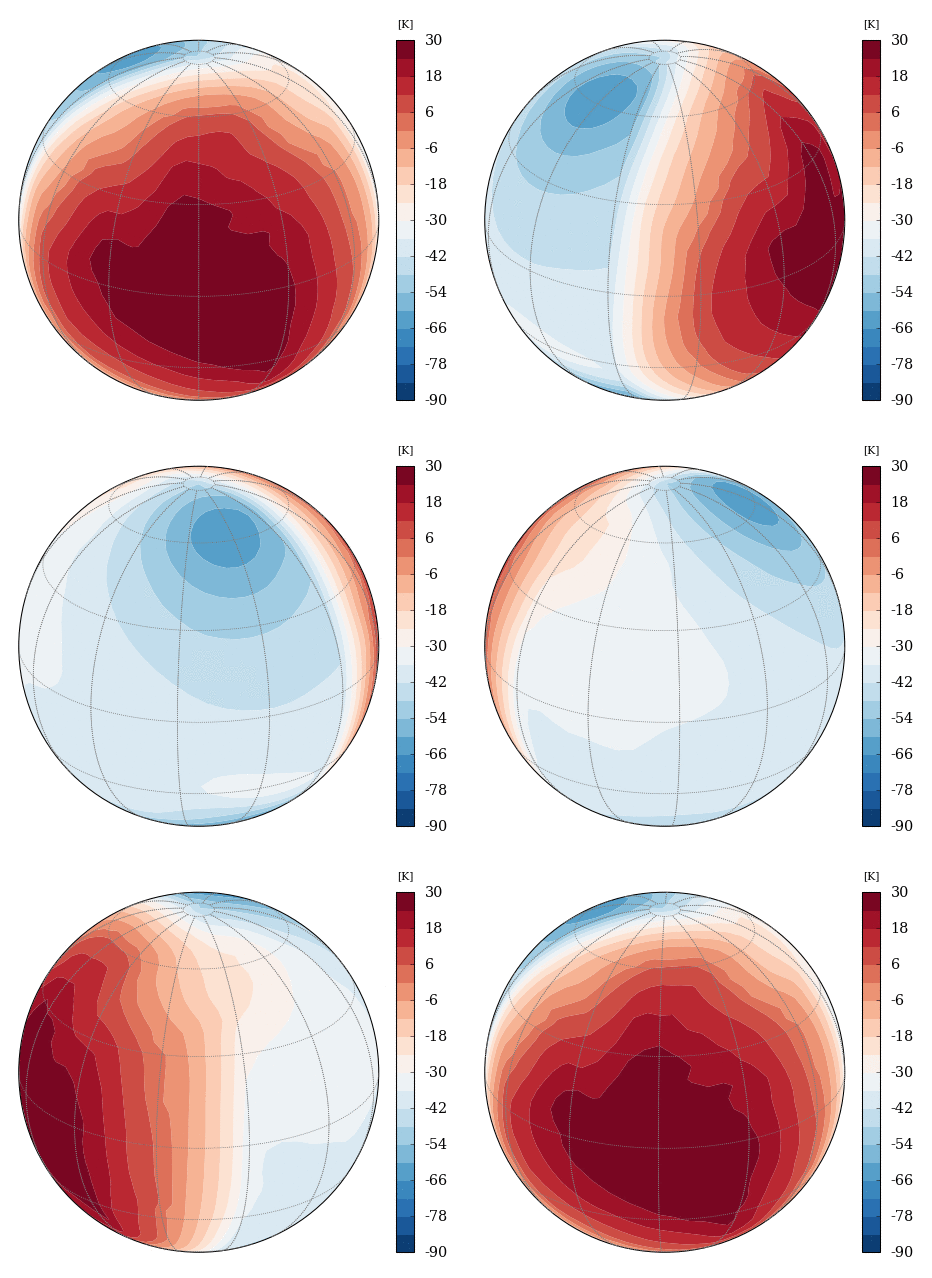
This planet and star, now, you really should know ‘em.
And that’s why I’m bothering writing this poem.

This post could also be titled: How blogging and social media help make science happen. Here is the story. Planet Nine was conjectured in late January 2016. In February 2016 I started to think about where Planet Nine may have come from. This led to 3 blog posts, each exploring a different origins story for…

It is hard to know where things come from. If I drink a Belgian-style beer brewed in Colorado using hops from Washington state and I live in France, where did the beer actually come from? And what does that mean anyway? The cosmic situation is just as confusing. We know where the planets are right…

We are discussing the origins of Planet Nine. In part 1 we explored whether it could have been produced during an orbital instability in the early Solar System. In part 2 we showed that Planet Nine could have been captured from another star. Here we will explore another plausible idea that is a little less…

We are discussing the origins of Planet Nine. In part 1 we explored whether it could have been produced during an orbital instability in the early Solar System. Here we will explore a much more exotic origin. Scenario 2. Planet Nine is a planet that formed around another star and was captured by the Sun…

It’s official: there might be an extra planet in the Solar System. It’s called Planet Nine. Like Hansel, it’s so hot right now. To find it you must trek past Uranus and Neptune into the dark reaches of the Solar System. It’s on an orbit hundreds of times larger than Earth’s, that takes 20,000 years…
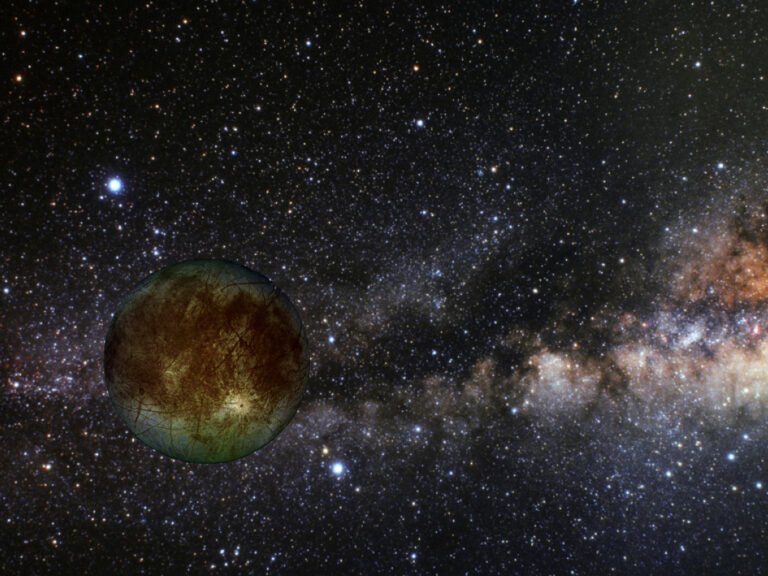
Welcome to Real-life Sci-fi worlds. I use science to explore life-bearing worlds that are the settings for science fiction stories. This post is a pared-down summary of an article I wrote for Aeon in April 2015 — see the original article here. The Sun is pretty key for us here on Earth. The number one…
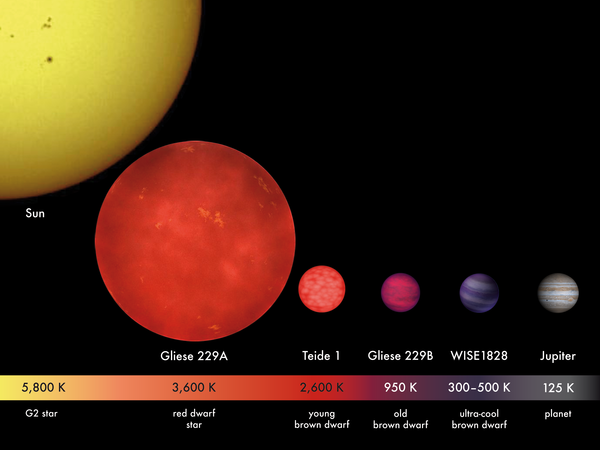
Welcome to Real-life Sci-fi worlds. We are using science to explore life-bearing worlds that are the settings for science fiction stories. Up today: an Earth-like planet orbiting a brown dwarf. Setting Planets have been found orbiting all kinds of stars. Stars like the Sun. Stars brighter and fainter than the Sun. Giant stars. Planets have…
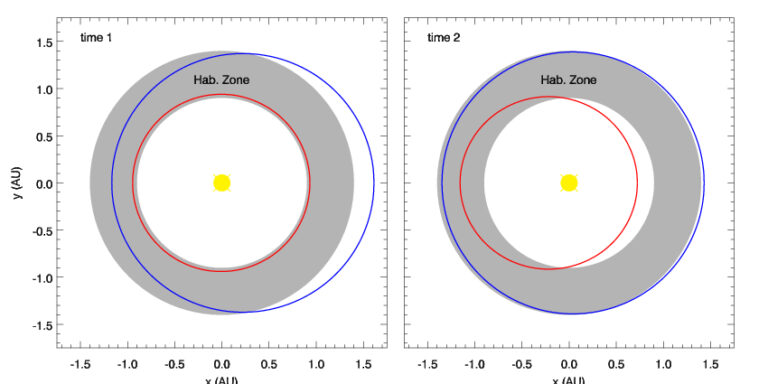
Welcome to Real-life Sci-fi worlds. We are using science to explore life-bearing worlds that are the settings for science fiction stories. Up today: the oscillating Earth. Setting Earth’s orbit is not fixed. Gravitational kicks from the other planets change the shape of Earth’s orbit. Earth’s orbit oscillates between being perfectly circular (having an “eccentricity” of…

I discovered something spectacular completely by accident. I was getting ready for the announcement of the discovery of the extra-solar planet Kepler-186 f. You remember, the Earth-sized planet in the habitable zone? It was all over the news (even in French) just a couple months ago. I made an animation of the Kepler-186 system. The…

That spanking new planet’s already a star. K-186 f, you know who you are. You’re making us wonder if we’re all alone. The planet out there in the habitable zone. I’ve been on the radio. Been on TV. Talking ‘bout the planet. Just what can we see? Just what do we know about this special…

In the spirit of last week’s poetic post, here are two more stanzas for your reading pleasure…. There is a new exoplanet in town. This planet has only just now been found. Why should you care? It’s only one more. Well this is one planet we’d love to explore. This planet’s orbit is really just…

Here is a tale ’bout a bright star named Vega. For years, astronomers have combed through their data and discovered that Vega is more than a star. It’s surrounded by dust clouds: one near and one far. Next to the star is some dust that’s quite hot. We’ve only just found it. There isn’t…
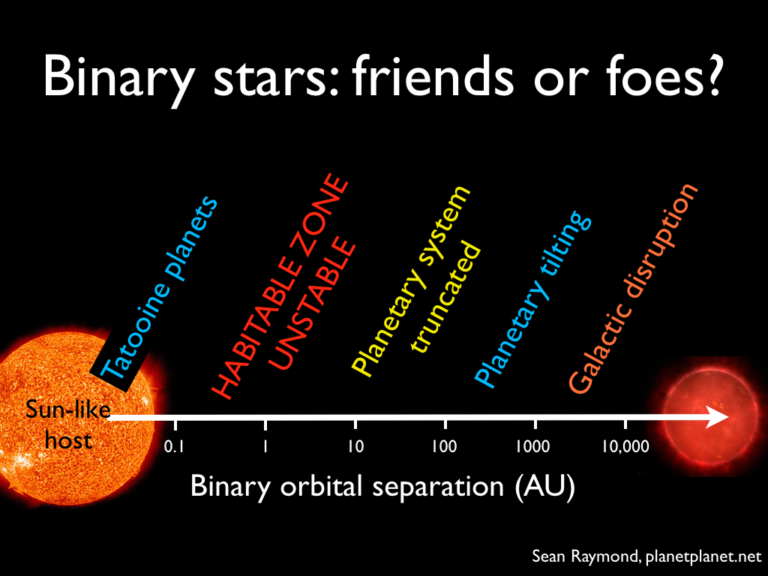
A primary theme of this blog is to explore the different processes that affect the existence and evolution of planets that could harbor life. Today’s question: Are binary stars good or bad? Short answer: BAD, but not in all cases or for the reasons you might expect. (Jump to the end for a quick summary…